
Why Industrial PCs Fail in Food Processing Washdown Environments
Food processing environments are among the most demanding industrial settings for electronic equipment.
Industrial PCs installed on production lines are routinely exposed to high-pressure water, hot cleaning cycles, and aggressive chemical detergents.
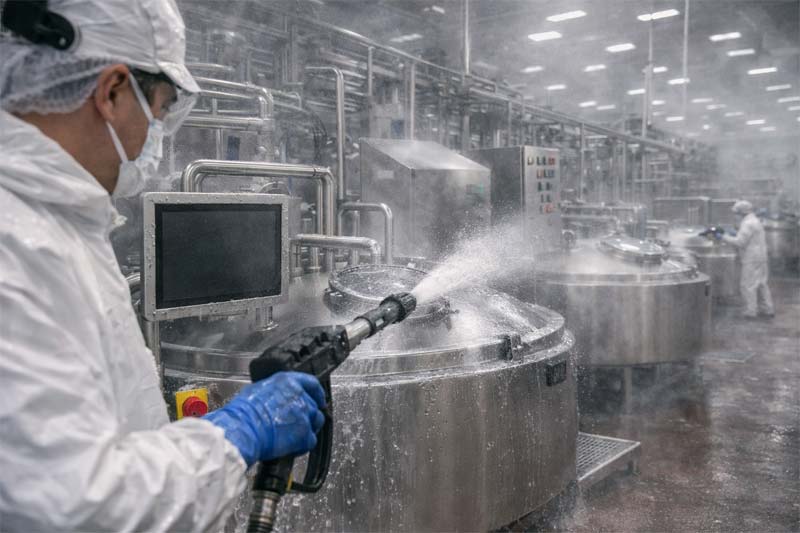
Despite being labeled “waterproof” or “washdown-ready,” many industrial PCs fail prematurely in food processing plants.
This article explains why these failures occur, based on real engineering mechanisms rather than marketing claims.
The Reality of Food Processing Washdown Conditions
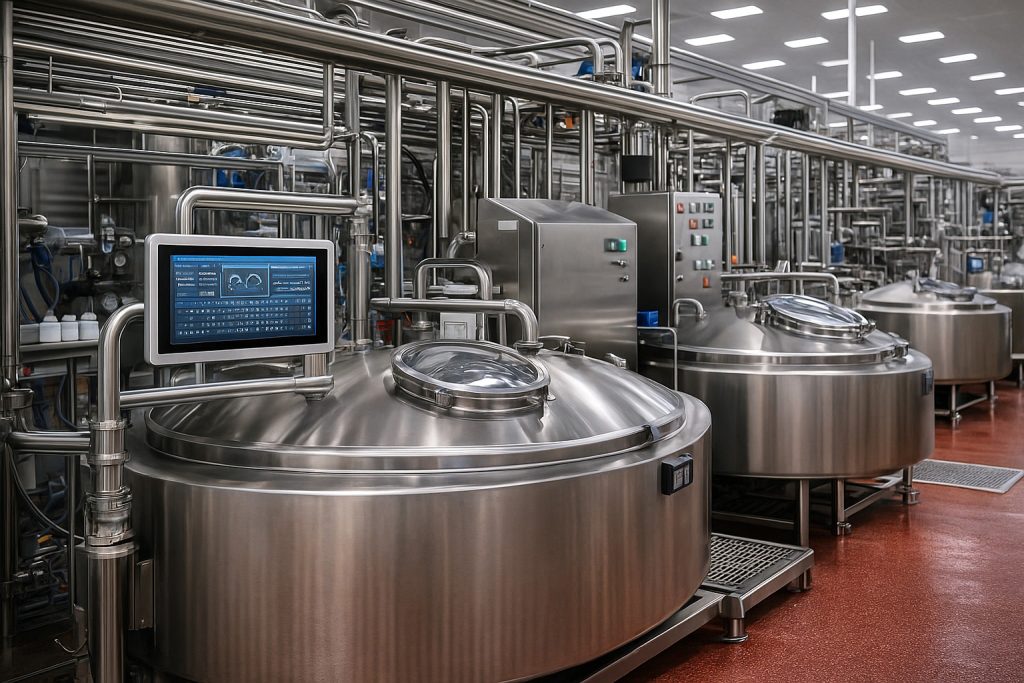
Food processing washdown environments combine multiple stress factors that act simultaneously.
Frequent High-Pressure Cleaning
Cleaning procedures often involve:
- Daily or multiple washdown cycles
- High-pressure water jets (80–100 bar)
- Close-distance spraying from multiple angles
These conditions introduce mechanical stress that standard sealing systems are not designed to withstand.
High Temperature and Chemical Exposure
Washdown cleaning frequently includes:
- Hot water (up to 80 °C)
- Alkaline and acidic detergents
- Disinfectants and sanitizers
Thermal cycling and chemical exposure accelerate material fatigue and seal degradation.
Common Failure Modes of Industrial PCs in Washdown Areas
Water Ingress Through Connectors and Cable Entries
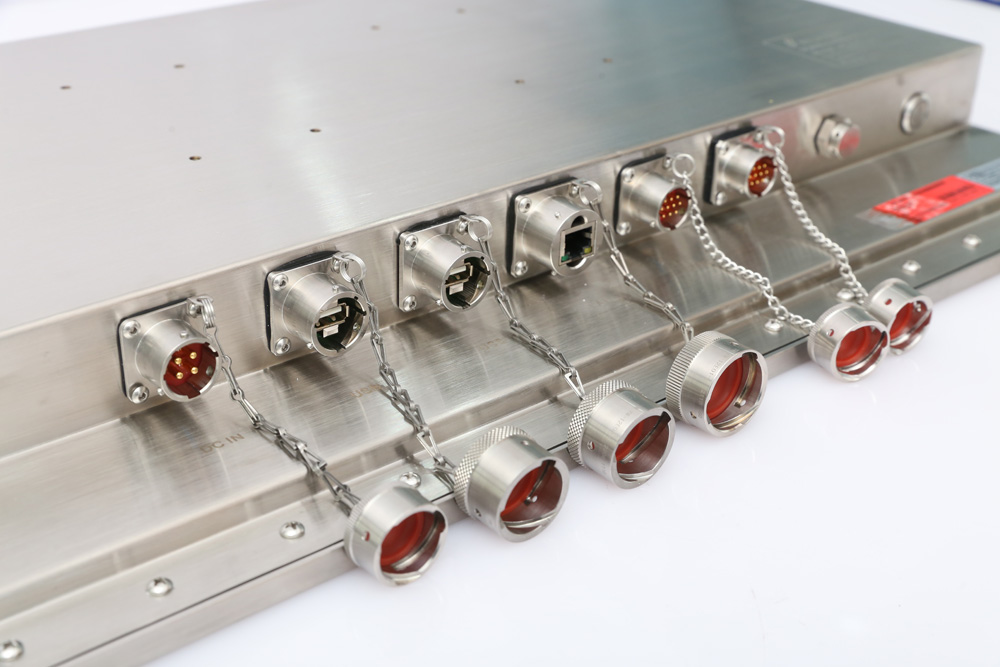
In many failures, the enclosure itself remains intact, while water enters through I/O interfaces.
Typical causes include:
- Connectors rated only for IP65 or IP67
- Cable glands not designed for high-pressure spray
- Horizontal cable exits that allow water pooling
Once moisture reaches internal electronics, corrosion and short circuits follow.
Seal Fatigue Under Repeated Pressure
Seals designed for static immersion (IP67) behave differently under washdown conditions.
Repeated exposure to:
- High-pressure jets
- Thermal expansion and contraction
leads to micro-deformation of gaskets, eventually creating leakage paths.
Corrosion of Enclosures and Fasteners
Painted or coated enclosures are particularly vulnerable in food plants.
Common issues include:
- Coating damage during cleaning
- Corrosion beneath the paint layer
- Rust formation around fasteners and edges
Once corrosion starts, hygiene and structural integrity are compromised.
Non-Hygienic Mechanical Design
Flat surfaces alone do not guarantee hygienic design.
Problematic features include:
- Sharp internal corners
- Recessed screws
- Overlapping panels
These areas trap moisture and residues, accelerating both corrosion and contamination risks.
Fan-Related Failures
Industrial PCs with active cooling face additional challenges:
- Fans draw moisture and contaminants into the enclosure
- Condensation forms during cooling cycles
- Bearings and electronics degrade rapidly
In washdown environments, fans are a frequent source of failure.
Why “Waterproof” Ratings Are Often Misinterpreted
Many failures result from misunderstanding IP ratings.
- IP67 addresses temporary immersion, not pressure
- IP66 addresses water jets, not temperature and chemicals
- Only IP69K directly targets high-pressure, high-temperature washdown
Using an IP rating outside its intended use case leads to predictable failure.
Consequences of Industrial PC Failure in Food Plants
Failures in food processing environments have serious implications:
- Unplanned downtime
- Increased maintenance costs
- Hygiene audit failures
- Production interruptions and product loss
The cost of failure often far exceeds the initial equipment cost.
Engineering Lessons Learned from Washdown Failures
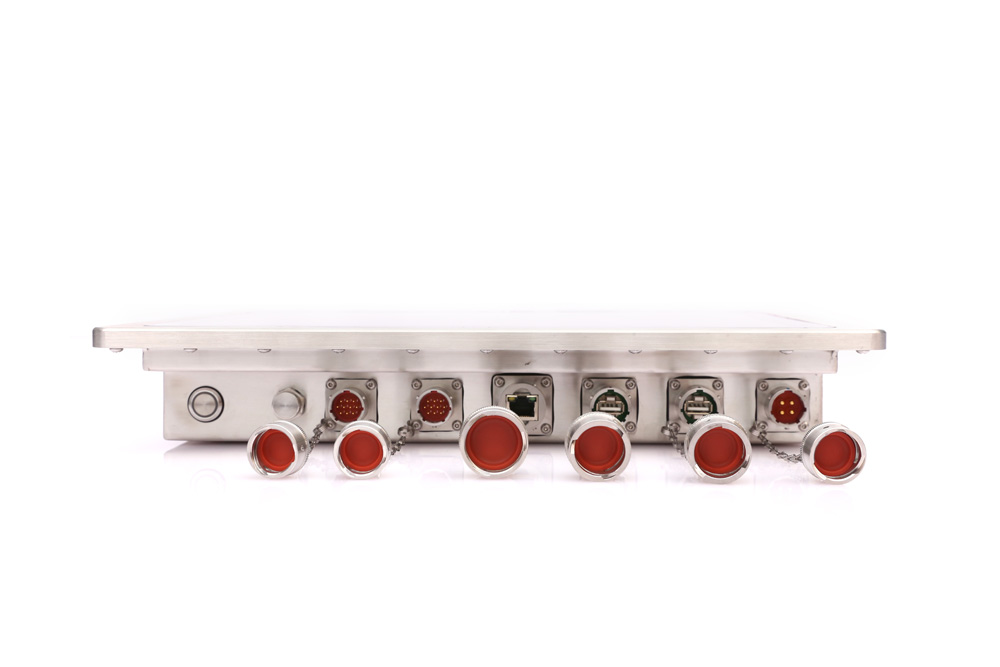
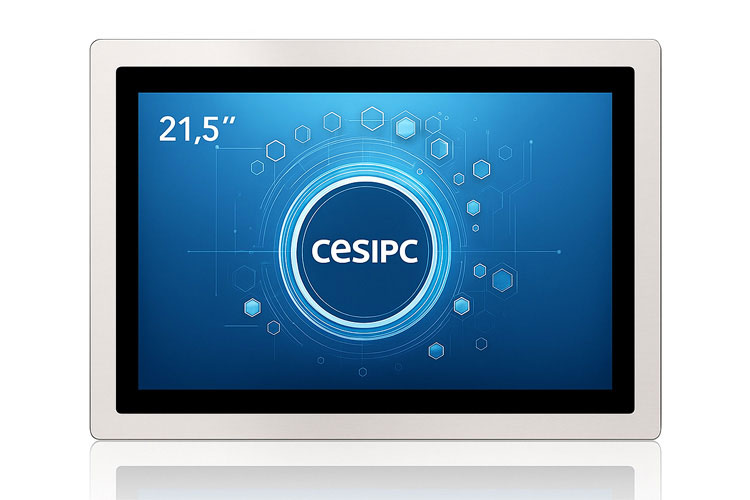
From an engineering standpoint, reliable operation in food processing washdown areas requires:
- Materials resistant to corrosion and chemicals
- Sealing systems designed for pressure and thermal cycling
- Hygienic mechanical design without contamination traps
- Fanless architecture where possible
Industrial PCs adapted from standard designs rarely meet these requirements long-term.
Why Purpose-Built IP69K Industrial PCs Perform Better
Purpose-built IP69K industrial PCs are designed specifically for washdown environments.
Key characteristics include:
- Stainless steel enclosures (SUS304 or SUS316)
- System-level IP69K protection, including I/O
- Hygienic, easy-to-clean geometry
- Fanless industrial architecture
These design choices directly address the failure mechanisms described above.
Conclusion — Failure Is Predictable When Design and Environment Mismatch
Industrial PC failures in food processing washdown environments are rarely random.
They are the result of design assumptions that do not match real cleaning conditions.
Understanding why failures occur allows engineers to select equipment that delivers:
- Longer service life
- Higher reliability
- Lower total cost of ownership
For food processing facilities where washdown is routine, purpose-built IP69K industrial PCs are the correct engineering solution.